
01
Governed AI & agent authorization
AI systems with explicit permissions, pre-action controls, human review points, and records that distinguish a proposed action from an executed result.
Evidence: COSMIC-ALLOW · T2Helix · Project Epistemic Bound
AV Family Enterprise LLC · Veteran-owned · Pennsylvania
An independent, veteran-owned research and development company working across scientific software, artificial intelligence, computational modeling, and research infrastructure.
We build instruments for understanding complex systems — and infrastructure for keeping the resulting work accountable. A hypothesis is not a result, a prototype is not a deployed system, and an AI-generated proposal is not an authorized action.
Veteran-owned
Founded and led by a U.S. Army veteran
Pennsylvania-based
Registered Pennsylvania LLC
Founder-led
Scoped engagements with direct accountability
Evidence-first
Every claim carries its type, lifecycle and evidence
01 / Capabilities
Each area turns a difficult question into inspectable models, bounded experiments, and documented findings. Projects appear beneath the capability they substantiate — not the other way round.
01
AI systems with explicit permissions, pre-action controls, human review points, and records that distinguish a proposed action from an executed result.
Evidence: COSMIC-ALLOW · T2Helix · Project Epistemic Bound
02
Software architectures for preserving research context, tracing claims to evidence, recording corrections, and supporting continuity across people, models, sessions, and software.
Evidence: Sovereign Stack · public chronicle · temple-harness
03
Research tools and assessment workflows for examining model inputs, system behavior, evidence quality, human oversight, and the limits of an evaluation’s conclusions.
Evidence: The Black Box Boundary · co-creation case study · Master Operations Agent
04
Experimental AI architectures, locally operated inference workflows, and comparative studies of model behavior under practical computing constraints.
Evidence: Phenomenological Compass · Phase-Modulated Attention
05
Computational models, interactive scientific instruments, synthetic scenarios, and experimental software for examining complex system behavior.
Evidence: entropy campaigns · operator training simulator · Temple Lab
06
Mechanistic modeling, literature-linked hypothesis development, and computational analysis in support of experimentally testable biological questions.
Evidence: VDAC1 Pharmacology Atlas · Gate-Jamming Score
02 / Selected evidence
A published protocol, a shipping training instrument, and an untested hypothesis set. They are not the same kind of thing, and the labels say so.
ground state → deny
allow → requires an unforgeable sentinel
boundary → kernel sandbox floor, not the policy layer
Governed AI · RFC · Published v1.1 · Supported within scope
A cross-vendor proof-of-allow protocol for AI coding-agent cockpits. Deny is the ground state; allow requires positive, unforgeable proof; the sandbox floor is the load-bearing boundary. Reference implementation in cosmic-cli (Apache-2.0).
Limits
Not a claim that any specific deployment is secure.
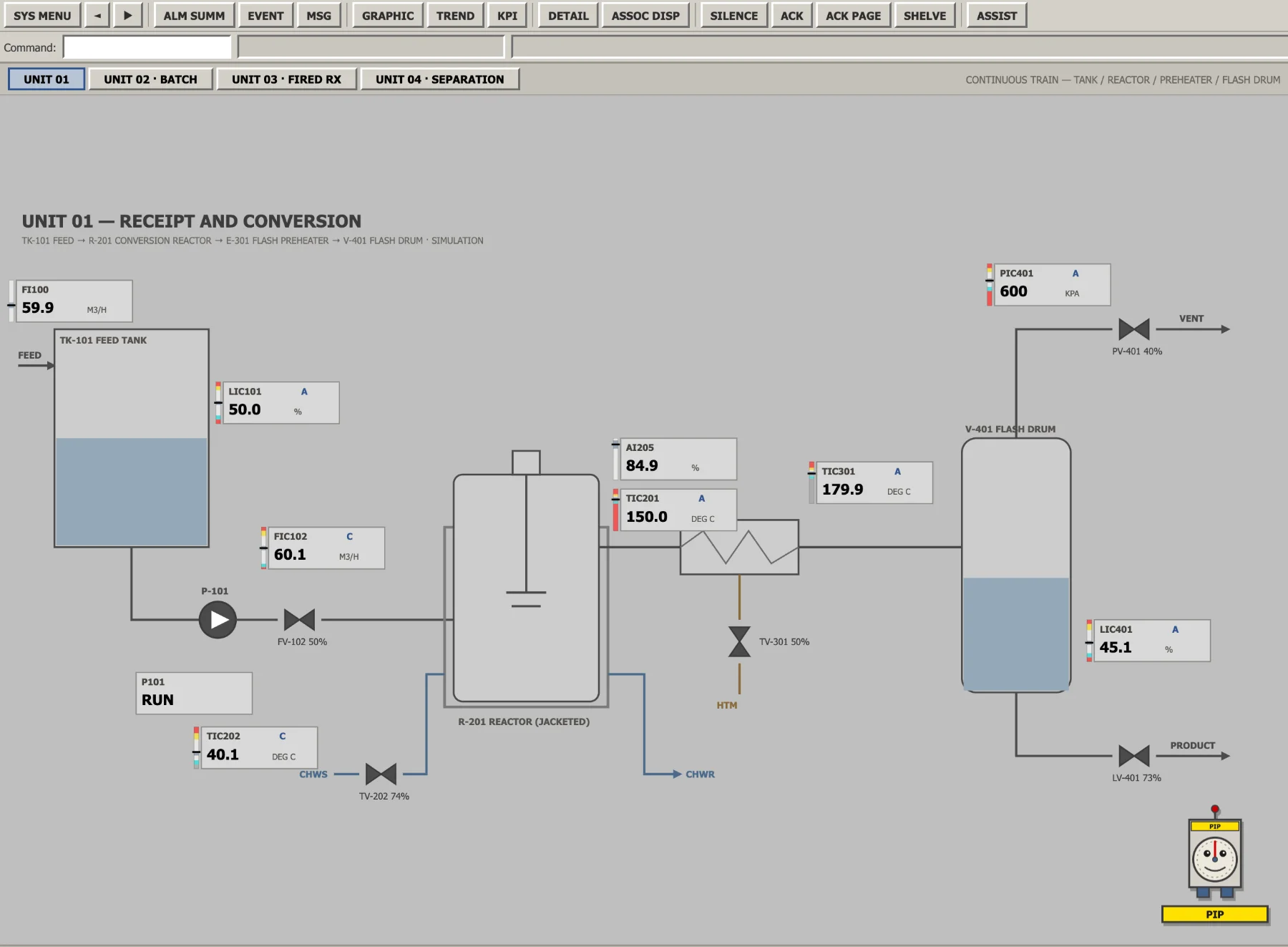
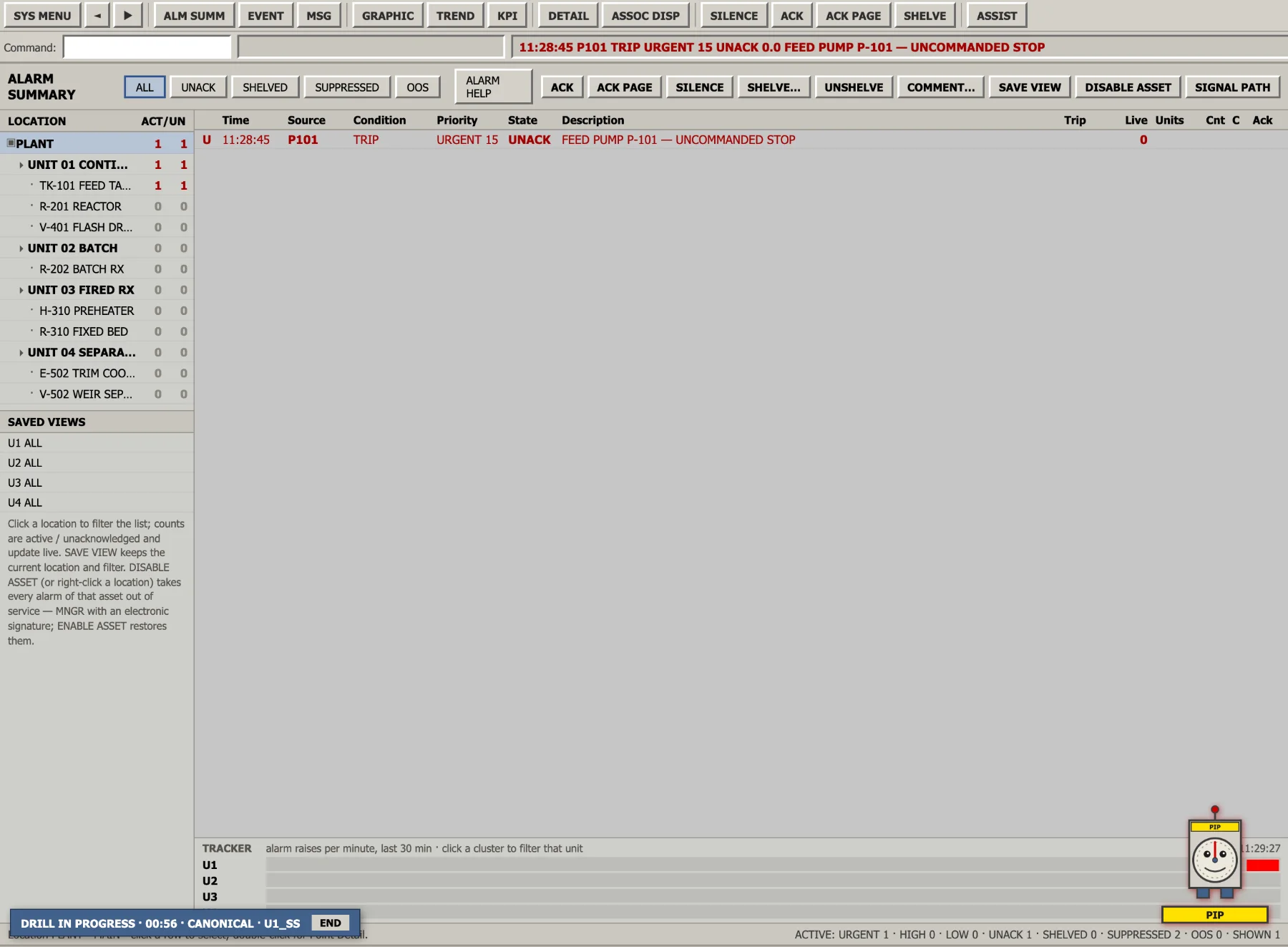 Synthetic training environment
Simulation · Independent training aid · v3.1.0 · Shipping
A browser-based environment for exploring synthetic process behavior, alarms, trends, operator controls, and instructor-driven scenarios, with training records and a standalone offline build.
Limits
Not a Honeywell product. No certified qualification or site connection implied.
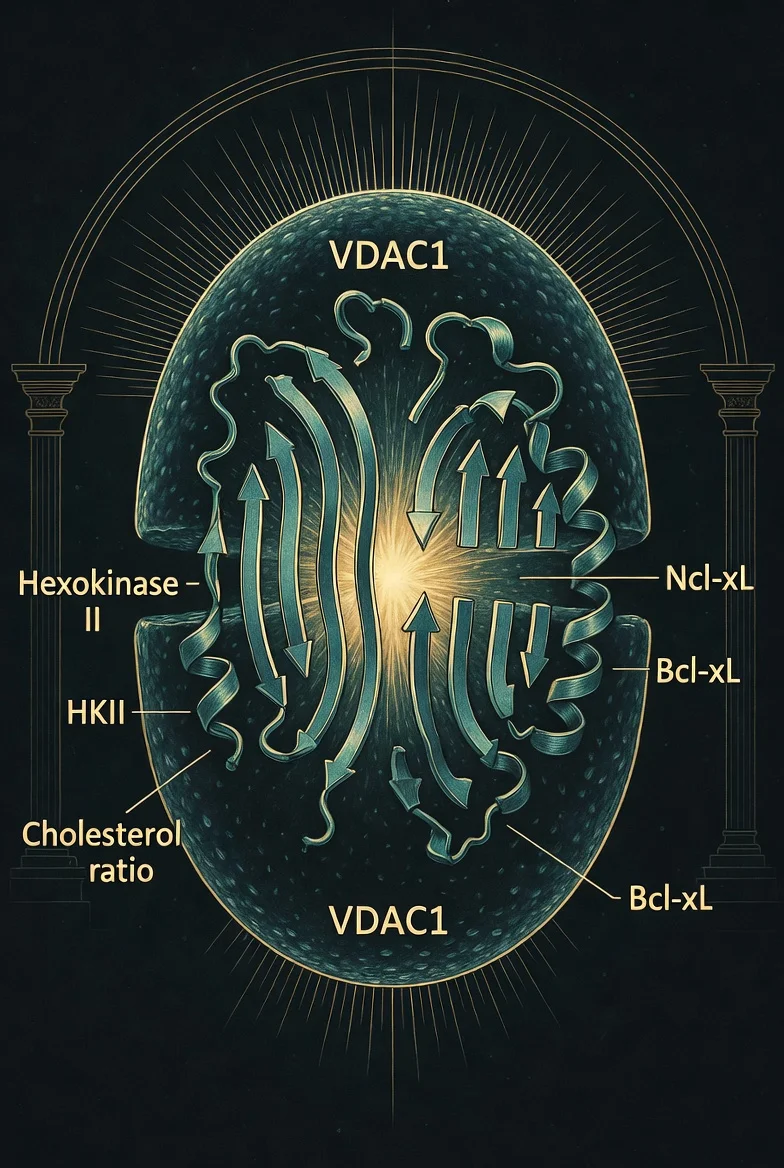
Scientific illustrationComputational biology · Hypothesis set · Awaiting wet-lab validation · Untested in vivo
Mechanistic hypothesis development for mitochondrial gating: a cofactor model of how hexokinase-II, Bcl-xL, and cholesterol jointly set the apoptotic threshold, with 24 testable predictions and a candidate biomarker.
Limits
None of the 24 predictions has been tested at a bench. Two of three cohorts returned nulls.
Also in the portfolio
03 / Working method
Every engagement answers those three questions before it answers anything else. Methods, limitations, and corrections stay part of the work.
Step 1
Agree what useful success looks like, what constraints matter, and what remains uncertain.
Step 2
Specify data access, actions, human approvals, failure handling, and what the prototype is not authorized to do.
Step 3
Prefer a testable, understandable solution over unnecessary complexity or scale.
Step 4
Use appropriate scenarios and controls, record actual outcomes, and retain failures and unresolved questions.
Step 5
Deliver documentation, versioned artifacts, and enough context for another competent person to review or continue the project.
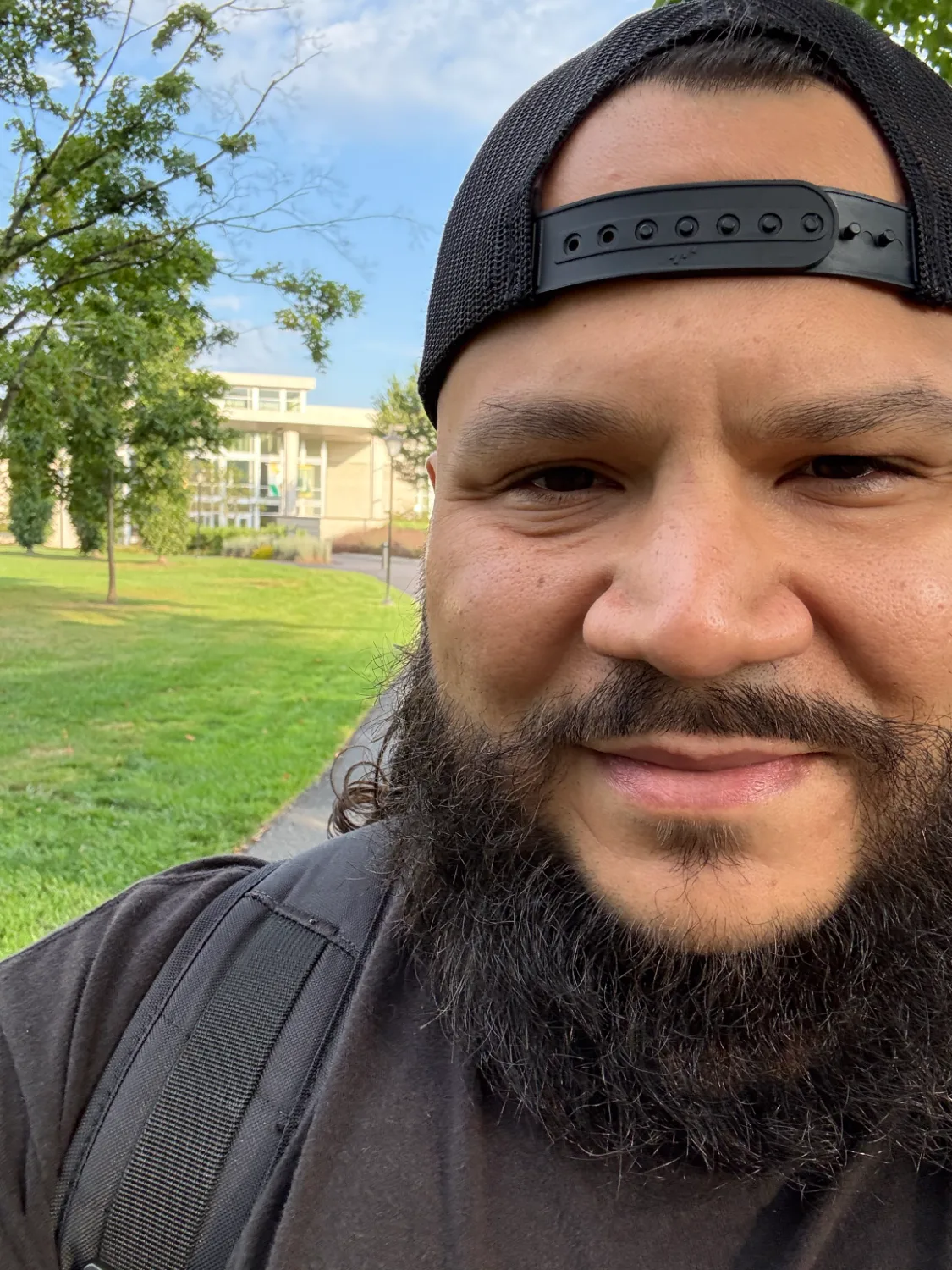
04 / Founder
Founder and managing member · U.S. Army veteran · Independent researcher
Anthony brings a practical, hands-on perspective to software and AI research, with an emphasis on accountability, useful tools, and disciplined technical follow-through. His wider public research — spanning governed AI, dynamical systems, AI architecture, and computational pharmacology — is published through The Temple of Two.
About Anthony, the research origins, and the standards behind every claim →Government organizations, research institutions, and industry partners are welcome to discuss scoped software development, computational studies, evaluation tools, and research collaborations.
Technical project
A defined prototype, evaluation tool, simulation environment, or evidence-management workflow — with agreed scope, acceptance criteria, data handling, documentation, and handoff.
Research collaboration
A question, the work already completed, the unresolved limitation, and the expertise or validation needed next.